
A king size bed gives two people 75cm of width each, which is a good start, but the mattress matters just as much as the size. Partners often differ in weight, body temperature, sleeping position and how firm they like the bed. If you also disagree about the bedroom thermostat, you already know how this goes. This guide explains the mattress features that make the biggest difference to a shared bed, and how to find a compromise that works.
Why a king size bed helps, and where it stops
A UK king size bed is 5ft (150cm) wide and 200cm long, so it is 15cm wider and 10cm longer than a standard double. For two adults, that extra width reduces the chance of knocking into each other, and the extra length suits taller sleepers. A king size bed gives the most comfortable shared space for most bedrooms, with a super king (180cm) the next step up if you have the room. But size does not decide how well the mattress copes with two different bodies, and that is where the mattress type counts.
Motion transfer: feeling your partner move
If one person moves a lot, the other can feel it through the mattress. The main factor is the spring system:
- Pocket sprung mattresses have each spring wrapped in its own fabric pocket, so springs move independently. This reduces movement across the bed. A higher spring count, such as 2000 or 3000, means more springs and finer, more localised support. Examples are our Elysia luxury orthopaedic pocket mattress and Naturelax 3000 luxury natural pocket mattress.
- Memory foam layers absorb movement and mould to each sleeper, which also helps isolate motion. The Memory 1200 orthopaedic pocket mattress combines pocket springs with a memory foam layer.
- Open coil mattresses link the springs together, so movement travels more across the bed. They are usually firmer and more economical, but less suited to light sleepers.
Different weights on the same mattress
A heavier sleeper compresses a mattress more than a lighter one. On a simple foam or open coil mattress this can create a dip on one side. Pocket springs respond independently on each side, and a reinforced edge-to-edge border keeps the surface level and the sleeping area wide. Look for a high spring count, a good depth, and a firmer support level if one of you is considerably heavier. Many of our mattresses are around 25cm deep with reinforced edge support.
Firmness: finding the compromise
Firmness is the most common point of disagreement. In general:
- Side sleepers often like a little more give at the shoulders and hips.
- Back and front sleepers usually prefer firmer support to keep the spine aligned.
When one partner prefers soft and the other firm, a medium or medium-firm mattress is usually the best middle ground. You can add comfort to the firmer side with a mattress topper. Each product page lists the comfort level, so you can compare, for example the firm Sultan luxury orthopaedic mattress against the medium Arctic 2000 hydro-gel mattress.
Temperature: one hot, one cold
People who sleep hot want a mattress that vents heat, and cold sleepers want one that holds warmth. A few features help:
- Hydro-gel layers help dissipate body heat, which suits warm sleepers.
- Natural fillings such as wool and cotton manage moisture and regulate temperature through the seasons.
- Breathable covers and side vents promote airflow.
Separate duvets, one per person, are the simplest fix for different temperatures, and they are common in the UK and Europe. They also stop one person pulling the covers.
Edge support and using the whole bed
On a shared bed, both partners tend to sleep near the edges, so a strong, reinforced border matters. It stops the edges sagging when you sit on them and lets you use the full width. Look for edge-to-edge support in the product details.
Which mattress for which couple?
- Light sleeper and restless partner: a pocket sprung mattress with a high spring count and a memory foam layer
- Different weights: firmer pocket sprung or orthopaedic, with reinforced edges
- One hot sleeper: a hydro-gel or natural fibre mattress
- Back pain concerns: a firm orthopaedic mattress, and ask your GP or physio about persistent pain
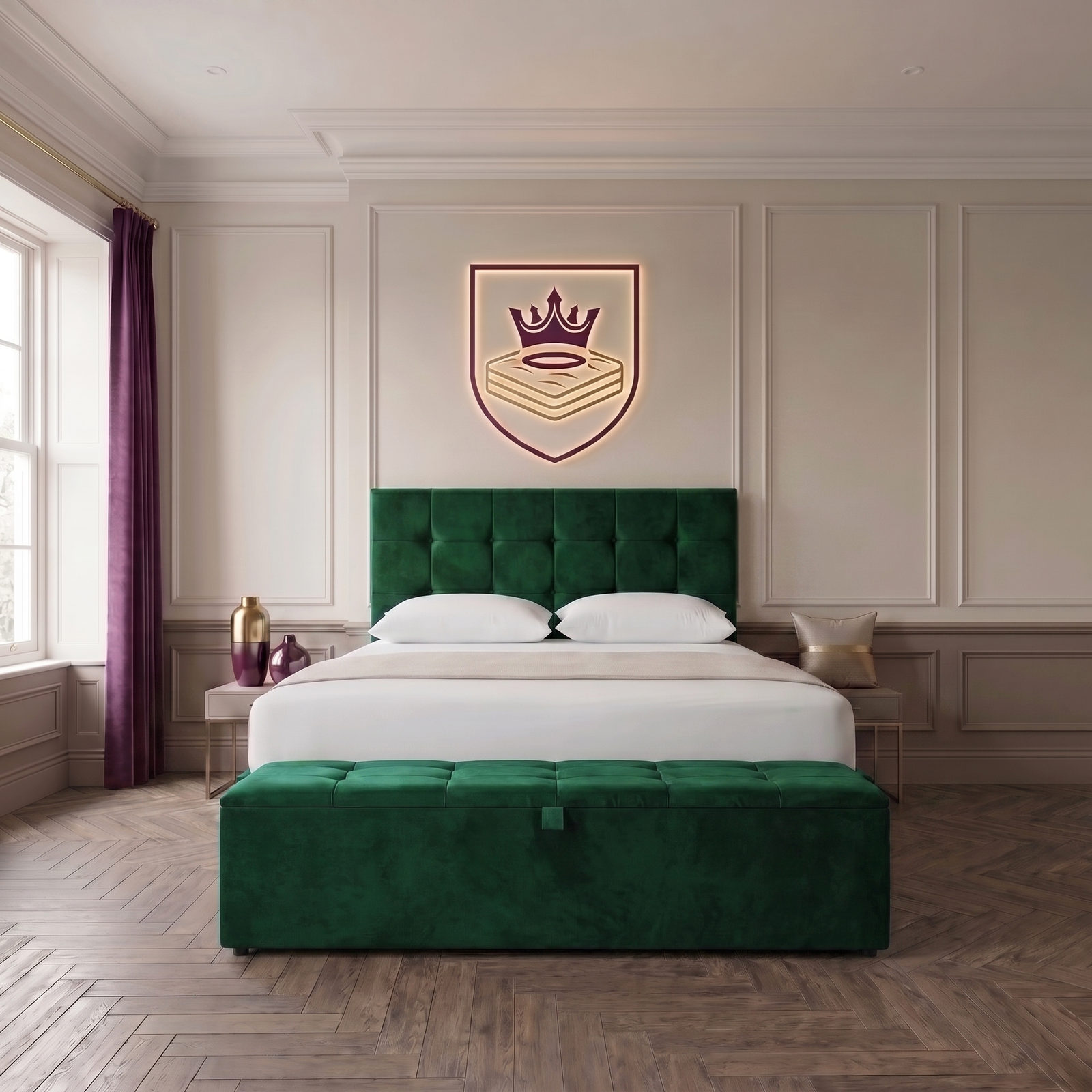
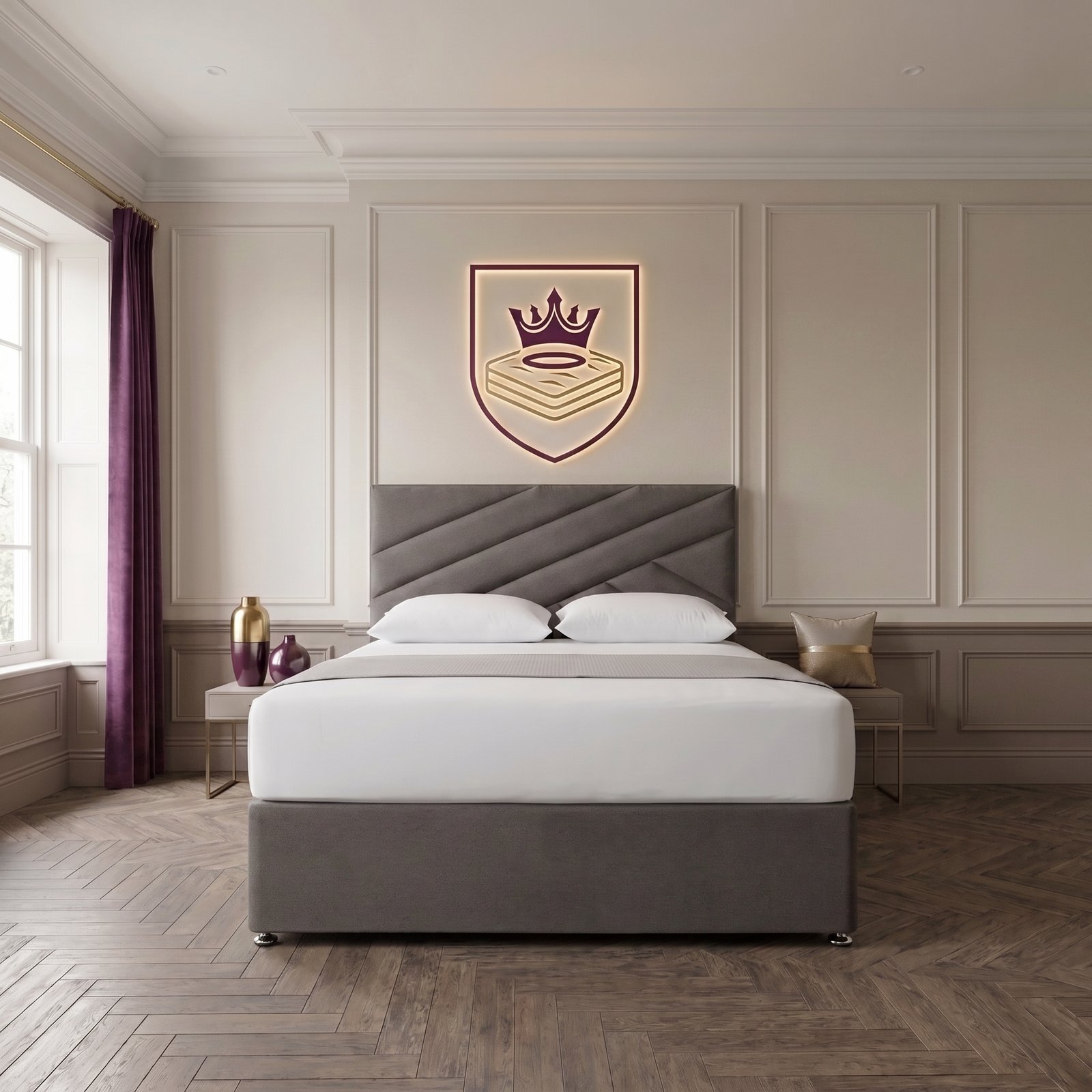
Browse our full range of mattresses and filter by size. You can also pair a mattress with an ottoman storage bed or a divan bed in king size, with a headboard that spans the full width.
Five couple profiles and what to choose
1. One light sleeper, one restless sleeper
Choose a pocket sprung mattress with a high spring count and a memory foam layer. The independent springs limit movement, and the foam absorbs it. A reinforced edge lets the restless sleeper use the whole bed without disturbing the other.
2. Different weights
Choose a firmer pocket sprung or orthopaedic mattress with a good depth. A firmer mattress holds shape under the heavier sleeper, and independent springs let the lighter sleeper stay supported. Check the edge reinforcement.
3. One hot, one cold
Choose a breathable mattress, such as a natural or hydro-gel option, and use separate duvets, so each of you can choose your own warmth. A cold sleeper can add a throw without affecting the other.
4. Different sleeping positions
A side sleeper and a back sleeper want different surfaces. A medium-firm mattress with a comfort layer suits both reasonably well. A mattress topper on one side can fine-tune it.
5. Early riser and late sleeper
Motion isolation is what counts. Pocket springs and foam both help, and a stable base prevents creaks. A solid divan base is quieter than many frames.
Do you need a mattress topper?
A topper can adjust the feel of a mattress without replacing it, adding softness to a firm mattress or comfort to one side. It does not fix a worn mattress. If your mattress is more than 7 to 10 years old or sagging, replace it rather than topping it.
Partner differences in the bedroom setup
- Light: if one of you reads late, use directional bedside lamps and a headboard that is comfortable to lean on. See our headboard style guide.
- Bedding: two single-width duvets avoid the tug-of-war and make washing easier.
- Space: a wide bed and a blanket box at the foot give each person a surface for their things.
How to test before you commit
- Decide what you need from the mattress: support, cooling, motion isolation or all three.
- Compare the comfort level and spring count on each product page.
- Choose a medium or medium-firm option if you disagree on firmness.
- Allow a few weeks for your bodies to adjust to the new mattress.
Our king size ottoman storage beds and divan beds suit any of the mattresses above.
Common questions
Do I need a bigger mattress if one of us is heavy?
Size helps, but the construction matters more. A higher spring count, a deeper mattress and a firmer support level cope better with different weights.
Is a king size enough for two adults?
Yes. It gives each adult 75cm. A super king (180cm) is more spacious if you have the room.
Can two single mattresses make a king?
Two 2ft 6 mattresses together make a 5ft width, and two 3ft mattresses make a 6ft super king. Our Zip & Link bases are designed to join in this way, and let each person choose their own firmness. See our guide to divan base types.
All our mattresses are made in the UK, with free delivery to mainland UK in 5 working days and a 3-year warranty.
0 Comment
Continue Reading →